A new story
At the cave entrance

The sun passed to either side of the cave. Inside, the companions slept, although they appeared awake. Allah turned them right and left; their dog lay at the entrance with its forelegs extended.
Read the full story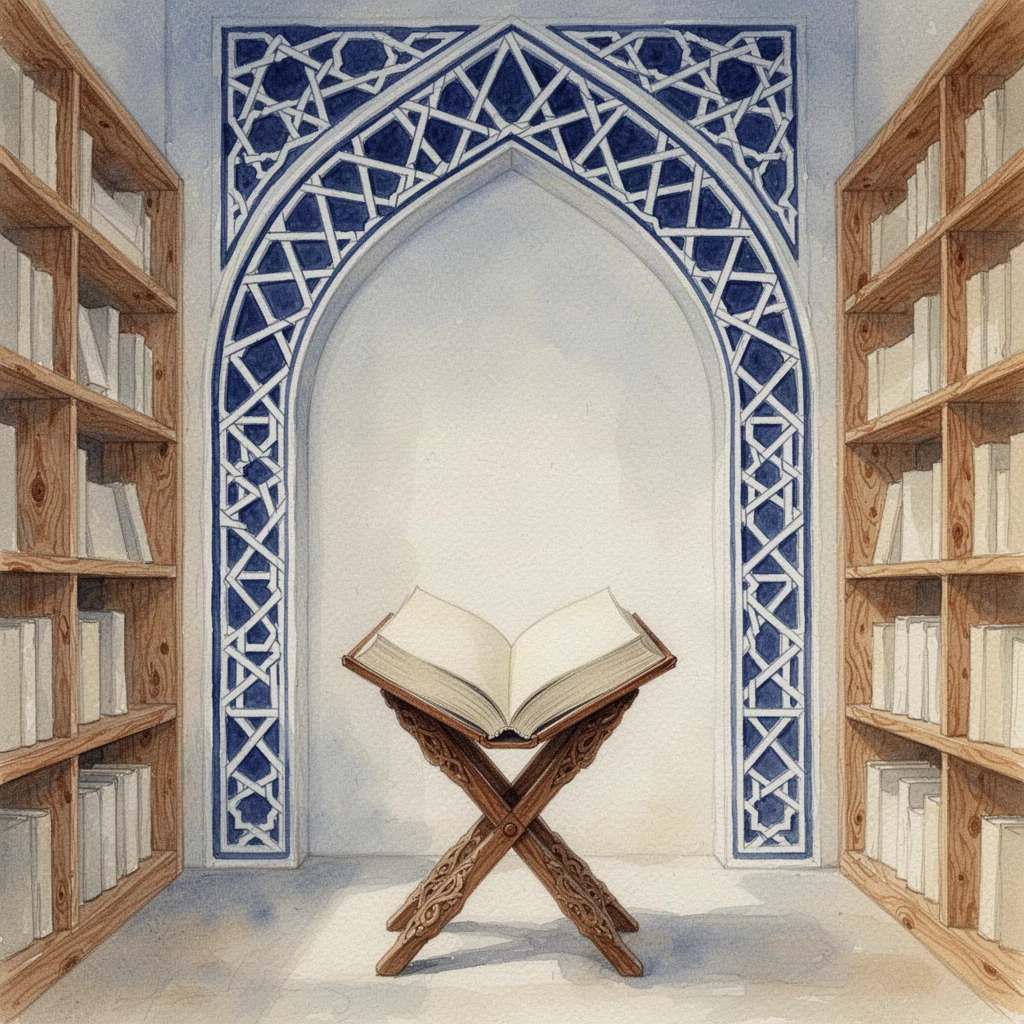
Stories and traditions in images
The Quran is Islam’s central sacred text. Recitation, study and transmission hold an important place in Muslim life.
Continue readingA new story
The sun passed to either side of the cave. Inside, the companions slept, although they appeared awake. Allah turned them right and left; their dog lay at the entrance with its forelegs extended.
Read the full storyA new story
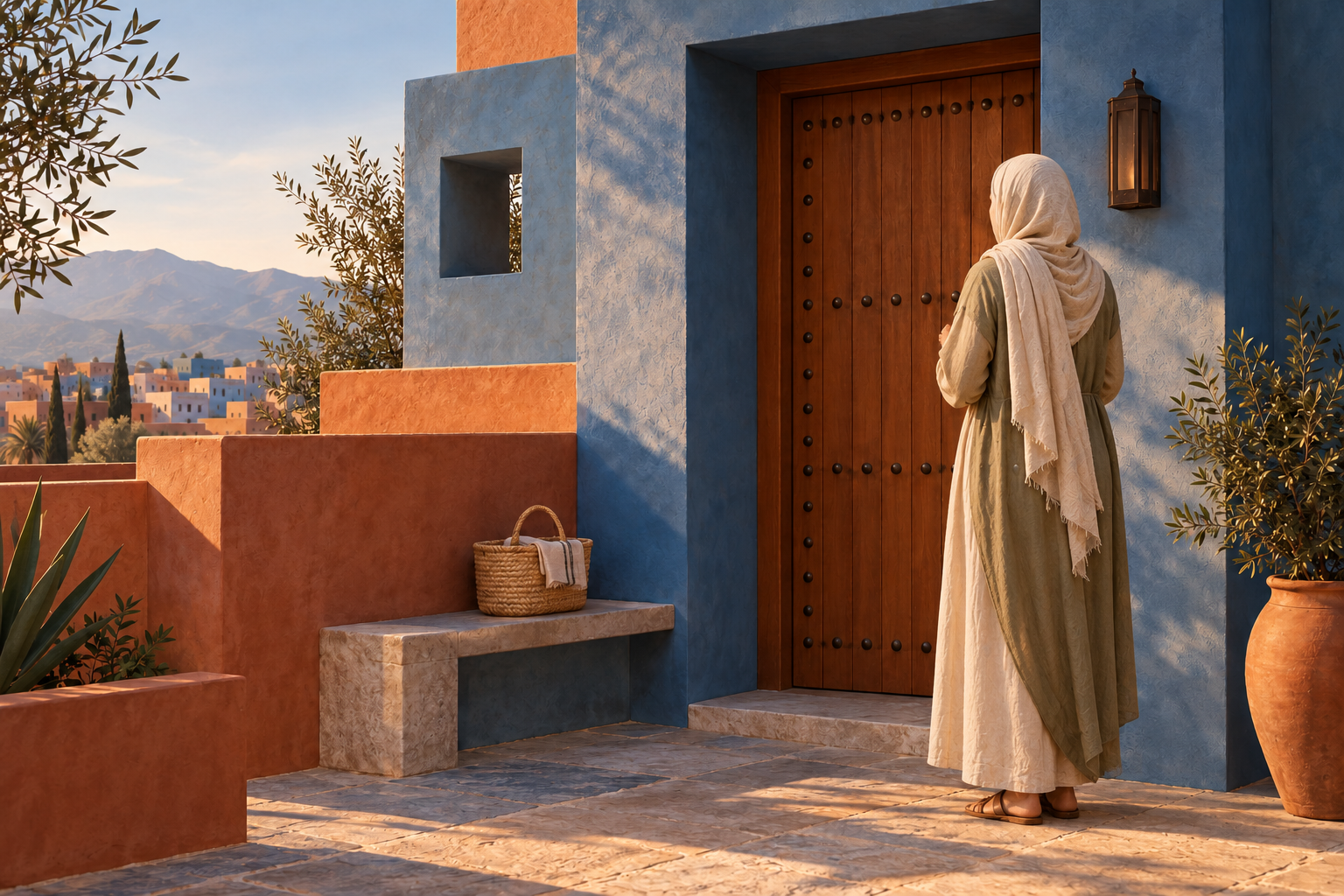
In surah 24, the Quran addresses believers: before entering a house other than their own, they must seek permission and greet its inhabitants. If no one is there, they must not enter without permission. If asked to turn back, they must turn back. The passage ends by recalling that God knows what people do.
Read the full storyA new story

In Quran 49:13, God addresses humanity, recalling that human beings were created from a man and a woman and made into peoples and tribes so that they may know one another. The verse says that, before God, the most honoured are those most mindful of Him. It closes by recalling that God is knowing and aware.
Read the full storyAccording to Islamic tradition, the revelation of the Quran began with words addressed to the Prophet Muhammad. The first revealed verses are traditionally identified with those of surah 96.
The Quran is recited in Arabic and read, studied and interpreted in Muslim communities throughout the world. Its many schools and traditions of study cannot be summed up in one page.